
7 Honest Signs Your Dating Standards Are Too High
The phrase “standards too high” feels like an accusation — like you’re being told you’re shallow, or picky, or the problem. So let’s reframe it: this isn’t about your worth. It’s about whether your checklist is quietly working against your own happiness.
Having standards that are too high doesn’t mean you want too much. It means the specific combination of things you want has made your dating life measurably worse — fewer dates, more frustration, and a growing suspicion that “all the good ones are taken.” Here are seven honest signs, and what to do about each one.
1. Your “Type” Has a Sample Size of Zero
Think about your last five years of dating. Now ask: has anyone you’ve actually been happy with matched your current checklist?
If the answer is no — if your standards describe a person you’ve never met, never dated, and never even seen up close — your list wasn’t built from experience. It was built from movies, social media, and imagination. There’s nothing wrong with dreaming, but a checklist with zero real-world evidence behind it is a fantasy novel, not a filter.
The fix: Look at the people who’ve genuinely made you happy before. Write down what they had in common. That list — the evidence-based one — is your real type. Compare it to your current checklist and notice what doesn’t overlap.
2. Every Date Feels Like an Audition (Yours, Not Theirs)
You know this feeling. You sit down, and within ten minutes you’re mentally scoring: height — check, job — check, funny — hmm, borderline. You’re not getting to know someone; you’re conducting quality control.
When standards are too high, dates stop being enjoyable because no living person can survive the inspection. You’re not discovering a connection — you’re hunting for disqualifiers. And here’s the cruel part: this mindset guarantees bad dates, because nobody is charming while being silently graded.
The fix: Give yourself a rule — no verdict before date two, unless there’s a genuine red flag. The first date is for vibe. The checklist can wait until you know whether you even like being around them.
3. Your Friends Have Stopped Setting You Up
This one stings, but it’s data. If your friends — people who love you and know great single people — have quietly stopped suggesting matches, it’s usually not because they’ve run out of candidates. It’s because the last three introductions came back with a polite “not quite my type,” and they’ve learned the pattern.
Your friends see your dating pool from the outside, and the outside view is often clearer. When multiple people who want you to succeed have independently concluded “nothing will be good enough,” believe the pattern, not your rebuttal.
The fix: Ask one brutally honest friend: “What do you think I’m filtering out that I shouldn’t be?” Then listen without defending yourself. Just take notes.
4. You’re Attracted to Potential, But You Date Resumes
Here’s a contradiction worth sitting with. Ask people what matters and they’ll say kindness, humor, ambition, emotional availability. Then watch what they actually filter for: height cutoffs, income floors, specific job titles, elite schools.
There’s nothing wrong with wanting a stable partner. But notice the gap: the qualities that make relationships work are mostly unfilterable — you can’t swipe for “handles conflict well.” So people substitute measurable proxies, then mistake the proxy for the thing. You wanted “ambitious and secure,” but you filtered for “six figures,” and those aren’t the same person.
The fix: For each measurable requirement, write down the feeling underneath it. “Six figures” might really mean “I want to feel financially safe.” Once you name the real need, you can recognize it in people your filters would have deleted.
5. Your Standards Rose After Your Feed Did
Be honest: were your standards always this specific, or did they get an upgrade around the time your Instagram did?
Social media doesn’t just show you attractive people — it shows you a curated highlight reel of the top fraction of a percent, presented as if it’s everyday life. Your brain, which is terrible at statistics, files this under “normal.” Suddenly 6’2″ feels average. A luxury apartment feels baseline. A partner who looks like a model and earns like a banker feels like the minimum.
This is the fastest way standards become too high without you noticing: not through conscious choice, but through ambient recalibration. You didn’t raise the bar. Your feed did, while you were scrolling.
The fix: A one-week experiment. Mute or unfollow the accounts that make ordinary life look inadequate — the luxury couples, the thirst traps, the “just a casual Tuesday” penthouse posts. Notice how your expectations feel by day seven.
6. You Keep Someone Great at Arm’s Length Over One Thing
Think of the one who got away — not the dramatic heartbreak, but the genuinely good person you dismissed over a single checkbox. Too short. Wrong job. Lives in the wrong neighborhood. Didn’t go to the right school.
If you can name that person, your standards have already cost you something real. And here’s the question that matters: a year later, do you remember what the dealbreaker was, or do you remember that they were kind to you and made you laugh? We almost never regret the checkbox. We regret the person.
The fix: The next time you’re tempted to end something good over one filter, try a 30-day pause on the verdict instead. Keep dating them. If the “flaw” still bothers you in a month, fine — but you’ll be deciding with data instead of reflex.
7. The Math Says Your Person Barely Exists
This is the objective one, and it’s why tools like the Female Delusion Calculator and the Male Reality Calculator exist. Plug in your actual checklist and look at the number.
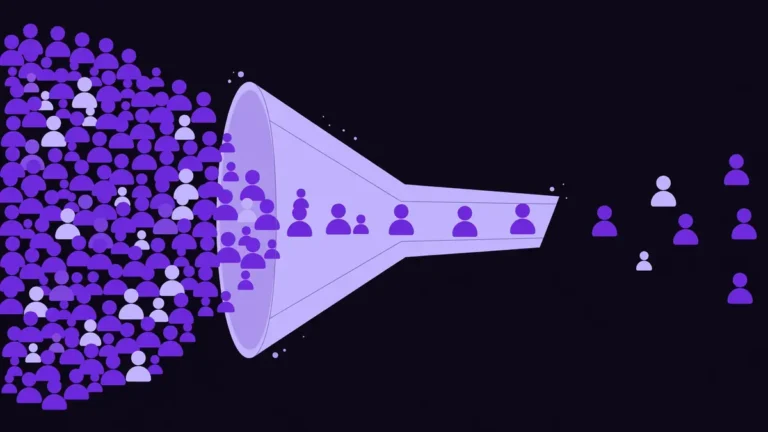
If your standards describe 0.1% of the population, that’s not an opinion — it’s arithmetic. You can absolutely choose to keep the list; some people look at a tiny number and say “worth the wait,” and that’s a legitimate, conscious choice. But keeping a 0.1% list while expecting 50% results and feeling angry about the gap? That’s the definition of standards working against you.
The fix: Don’t just look at the headline number — study the per-filter breakdown. It shows which single requirement is doing the most damage. Almost everyone discovers it’s one filter, not the whole list. Start there.
What “Standards Too High” Doesn’t Mean
A quick and important clarification. Standards that are too high does not mean:
- You should tolerate bad treatment. Kindness, respect, and safety are non-negotiable — they’re the floor, not the ceiling.
- You should date people you’re not attracted to. Attraction matters; it’s just broader and more flexible than a spec sheet.
- Wanting a good life is wrong. Ambition for your future is healthy. The question is only whether every item on the list earns its place.
Adjusting standards isn’t about wanting less. It’s about wanting accurately — keeping the requirements that predict happiness and questioning the ones that predict nothing but loneliness.
Where to Go From Here
If three or more of these signs hit home, don’t spiral — get curious. Run your numbers through the Male Reality Calculator or the Female Delusion Calculator, find your most expensive filter, and read our guide on how to adjust your dating standards without settling. It walks through the practical side: what to keep, what to question, and how to tell the difference.
Your standards should be working for you — filtering out the wrong people, not filtering out everyone. A small tune-up now can save you years of wondering why dating feels so hard.





2 Comments